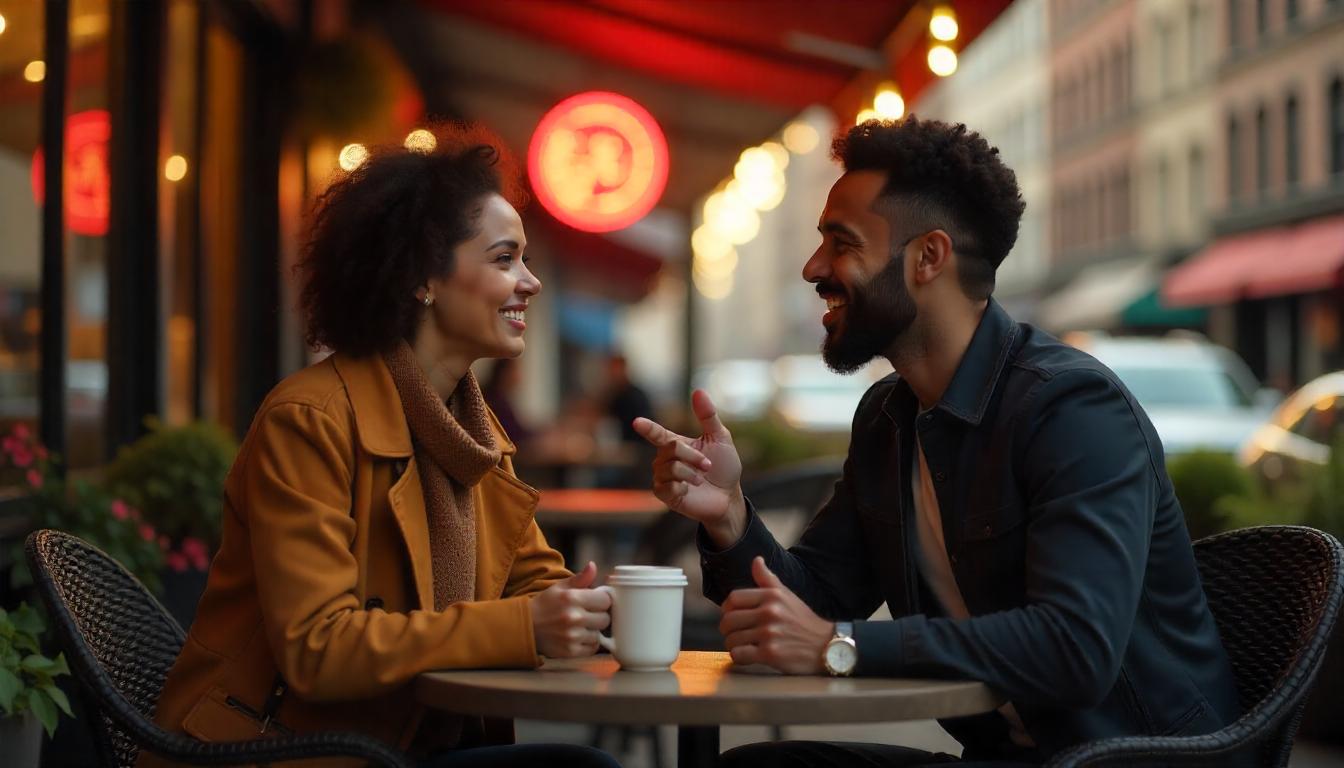
Vor dem Internet bedeutete die Suche nach einem romantischen Partner, mit dem zu arbeiten, was physisch um einen herum war – die Stadt, der soziale Kreis, der Arbeitsplatz. Diese Geografie setzte dem, wem man realistisch begegnen konnte, enge Grenzen. Online-Dating sprengte diese Grenzen, und die Auswirkungen waren sowohl bedeutend als auch in mancher Hinsicht unerwartet.
Wie Online-Dating die Art und Weise, wie wir uns kennenlernen, verändert hat
Die unmittelbarste Veränderung war die Größenordnung. Eine Person in einer mittelgroßen Stadt, die durch das normale soziale Leben realistisch ein paar hundert in Frage kommende Singles treffen könnte, hat jetzt Zugang zu Tausenden. Diese Erweiterung ist wirklich wertvoll für Menschen, deren natürliche soziale Netzwerke klein sind – Introvertierte, Menschen, die in eine neue Stadt gezogen sind, Menschen in Minderheitengemeinschaften, in denen kompatible Partner statistisch gesehen vor Ort selten sind.
Auch die Geschwindigkeit hat zugenommen. Was bisher Monate sozialer Nähe erforderte, kann jetzt in Stunden geschehen. Sich treffen, chatten und ein Date vereinbaren kann alles an einem einzigen Abend stattfinden. Diese Komprimierung ist effizient, verändert aber auch die Erfahrung. Jemanden auf einer Dinnerparty über mehrere Begegnungen mit gemeinsamem Kontext kennenzulernen, erzeugt eine andere Art von anfänglicher Verbindung als eine Foto-und-Biografie-Bewertung, gefolgt von einem ersten Date als Vorsprechen.
Die vielleicht wichtigste Veränderung liegt in der Partnerwahl selbst. Untersuchungen der Soziologen Michael Rosenfeld, Reuben Thomas und Sonia Hausen ergaben, dass Online-Dating im Jahr 2017 zur häufigsten Art und Weise geworden war, wie sich heterosexuelle Paare in den Vereinigten Staaten kennenlernten – und damit das Kennenlernen über Freunde übertraf, das diese Position jahrzehntelang innehatte. Für gleichgeschlechtliche Paare erfolgte die Verlagerung früher und war noch ausgeprägter. Das Internet schuf nicht nur einen weiteren Kanal; es wurde zum Hauptkanal.
Der Aufstieg des professionellen Matchmakings neben Apps
Entgegen der Intuition wuchs die professionelle Partnervermittlungsindustrie mit der Ausweitung der Dating-Apps. Anstatt menschliche Partnervermittler zu ersetzen, scheinen Apps einen Markt für sie geschaffen zu haben. Kunden, die Jahre in Apps verbracht hatten, ohne eine dauerhafte Beziehung zu finden, waren oft bereit, deutlich mehr für eine qualitativ hochwertigere, persönlichere Alternative zu bezahlen.
Moderne Partnervermittler haben sich an den Technologiewandel angepasst. Viele verwenden jetzt digitale Tools für die erste Kandidatenauswahl und Kommunikation, wobei sie sich das menschliche Urteilsvermögen bewahren, das Apps nicht replizieren können. Das hybride Modell – Technologie für Reichweite, menschliche Expertise für Bewertung – hat sich zum Standard für Premium-Dienstleistungen entwickelt.
Die Partnervermittlungsbranche hat auch ihren Kundenstamm erweitert. Was früher hauptsächlich mit arrangierten Ehen in bestimmten Gemeinschaften in Verbindung gebracht wurde, dient heute einer breiten Palette von Fachleuten, für die das Dating per App aufgrund ihrer Zeitpläne und Lebensstile nicht praktikabel ist. Insbesondere Executive Matchmaking erfuhr in den 2010er und 2020er Jahren ein deutliches Wachstum, da einkommensstarke Fachkräfte einen weniger zeitaufwändigen Ansatz suchten, um einen Partner zu finden.
Was die Forschung über die Ergebnisse des digitalen Datings zeigt
Die Forschung zu den Ergebnissen des Online-Datings ist uneinheitlich. Zu den positiven Ergebnissen: Paare, die sich online kennenlernen, berichten über eine ähnliche oder etwas höhere Beziehungszufriedenheit im Vergleich zu denen, die sich offline kennenlernen, und die Heiratsraten bei Paaren, die sich über Apps kennengelernt haben, sind im Allgemeinen vergleichbar. Die Vorstellung, dass "echte" Beziehungen ein persönliches Kennenlernen erfordern, wird nicht durch Daten gestützt.
Zu den Herausforderungen: Das Volumen an Auswahlmöglichkeiten, das Apps bieten, führt zu messbarer Entscheidungsermüdung und neigt dazu, oberflächliche Urteile zu verstärken. Studien haben ergeben, dass Online-Dater eher dazu neigen, eine Beziehung frühzeitig zu beenden, da die wahrgenommene Fülle an Alternativen dazu führt, dass es sich optional anfühlt, mit einer einzelnen Person zusammenzubleiben. Dieses "Beziehungs-Churning" wurde mit einer längeren durchschnittlichen Zeit bis zu einer festen Partnerschaft für intensive App-Nutzer in Verbindung gebracht.
Das Ungleichgewicht der Geschlechter in den meisten Apps wirkt sich ebenfalls dramatisch auf die Erfahrung aus. Untersuchungen haben immer wieder ergeben, dass in heterosexuellen Apps ein kleiner Prozentsatz männlicher Profile den größten Teil der Aufmerksamkeit von Frauen erhält, während die durchschnittliche männliche Erfahrung mit sehr niedrigen Übereinstimmungsraten verbunden ist. Das bedeutet nicht, dass Apps nicht funktionieren – aber es bedeutet, dass die Erfahrung enorm unterschiedlich ist, basierend auf Faktoren wie Geschlecht, Attraktivität und wie ein Profil erstellt ist.
Matching-Algorithmen vs. menschliches Urteilsvermögen
Matching-Algorithmen basieren auf selbstberichteten Präferenzen und Verhaltensdaten. Sie sind gut darin, oberflächliche Ähnlichkeiten zu identifizieren – gemeinsame Interessen, Altersspanne, Bildungshintergrund – und darin, das zu optimieren, was Nutzer angeben zu wollen. Wo sie scheitern, ist bei der Erfassung von Kompatibilität, die erst durch Interaktion sichtbar wird: gemeinsamer Sinn für Humor, emotionale Einstimmung, die spezifische Chemie zwischen zwei bestimmten Personen.
Menschliche Partnervermittler greifen auf andere Informationen zu. Sie beobachten, wie Klienten über vergangene Beziehungen sprechen, worauf sie reagieren, wenn sie aufgeregt sind, und was ihre Verhaltensmuster darüber aussagen, was sie tatsächlich brauchen, anstatt was sie verlangen. Dieses beobachtende Urteilsvermögen ist schwieriger zu skalieren, aber oft genauer für den einzelnen Klienten.
Die effektivsten Systeme nutzen beides. Algorithmen können Kandidaten zutage fördern, die ein menschlicher Partnervermittler übersehen hätte; ein Partnervermittler kann diese Kandidaten auf eine Weise bewerten, die der Algorithmus nicht kann. Keines von beiden allein ist so gut wie die Kombination.
Wie die Zukunft des Online-Datings und der Partnervermittlung aussieht
KI wird zunehmend in Matching-Systeme integriert. Große Sprachmodelle werden verwendet, um konversationsorientiertere Matching-Schnittstellen zu betreiben, Kommunikationsmuster auf Kompatibilitätssignale zu analysieren und Coaching anzubieten, wie man sich effektiv präsentiert. Diese Tools reduzieren einige der Reibungsverluste im Frühstadium des Datings, werfen aber berechtigte Fragen auf, wie viel algorithmische Filterung wünschenswert ist.
Video-First-Profile werden immer üblicher, was eine der zentralen Einschränkungen von fotobasierten Apps behebt – man bekommt einen viel genaueren Eindruck von der Persönlichkeit und dem Kommunikationsstil einer Person aus dreißig Sekunden Video als aus fünf Fotos und einer Biografie.
Was sich wahrscheinlich nicht ändern wird, ist das grundlegende menschliche Bedürfnis nach echter Verbindung und die Schwierigkeit, diese von außen zu konstruieren. Ob durch Apps, Partnervermittler oder was auch immer als Nächstes kommt, die Arbeit, tatsächlich eine Beziehung aufzubauen, bleibt persönlich, unvorhersehbar und unreduzierbar menschlich.