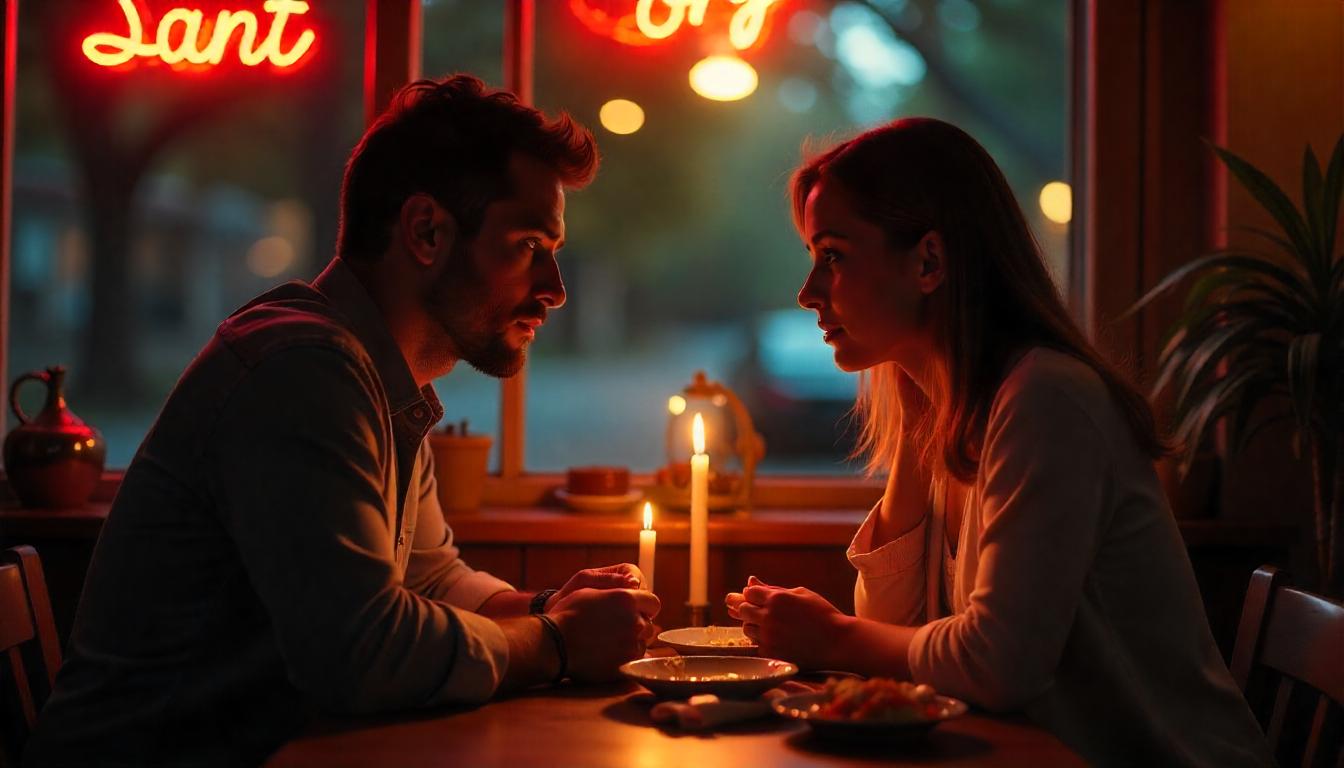
1. Start with a light, low-pressure game night: Try a darts setup or a homemade card duel, keep rounds short, and let laughs flow to ease into real conversation.
2. Cook together a homemade dinner: In a warm home kitchen, assign tasks, pick a dish you both love, and share tips while the stove hums in the background.
3. Plan a winter venues tour: In your city, visit three spots with a cafe, a bookshop, and an art venue, weaving in a brief chat between each stop.
4. Create a music-forward walk: Build a short playlist that shifts from mellow tunes to livelier tracks; talk about the weather and how it shapes mood as you go.
5. Invite honest feelings conversation: In 15 minutes, say what you love about the other person, what you feel now, and what you’d like to come further next.
6. Do a mini photo scavenger hunt: In your city, snap shots at spots that spark a small story you can share later; it creates shared moments and natural chances to laugh together.
7. Take a short coffee break at a classic cafe: Pose light questions about travel, food, and family values to learn what matters without pressure.
8. Try a one-off activity class: Pottery or a cooking workshop lets you see a new side of each other and pick up a skill without drama.
9. Visit a live music venue: Choose a venue with a friendly crowd and a set that balances rock and acoustic acts for a relaxed night.
10. Do a simple tasting at home: A pinot flight with three small pours and a homemade snack plate sparks conversations about preferences and memories tied to each sip.
11. Volunteer for a couple of hours: Team up at a local charity to build a sense of shared purpose and reveal kindness you’ll want on the next date as well.
12. Create a future plan with light tours: Sketch a weekend around your city, discuss which types of experiences you’d enjoy together, and keep it flexible and fun.
13. Share favorite childhood memories: Talk about the small details that shaped you, from games to meals you loved before bedtime, at home or in a cozy corner.
14. Do a quick pop-culture swap: Compare your top three young-adult authors or films, and pick one you’d both want to rewatch to learn your tastes align.
15. Try a sensory food game: A blind taste test with simple, homemade bites reveals reactions and sparks playful conversation about favorites and fears.
16. Watch a classic film at a cozy venue or at home with a soft blanket; discuss what the film reveals about choices without spoiling the plot.
17. Have a collaborative playlist: Each of you adds 10 songs, then you listen on a short walk and talk about how each track mirrors mood or memory.
18. Explore street-art together: If allowed locally, a walk among murals offers color, texture, and stories you can interpret side by side.
19. Treat the date as a small tasting tour: Sample bites from a few neighborhoods to see which foods spark conversation and which don’t.
20. Do a simple home project together: Assemble a bookshelf or plant a few herbs; working side by side highlights compatibility and problem-solving chemistry.
21. Ask for a quick feedback moment: At the end, share what felt good, what could improve, and what you’d love to try on the next second-date.
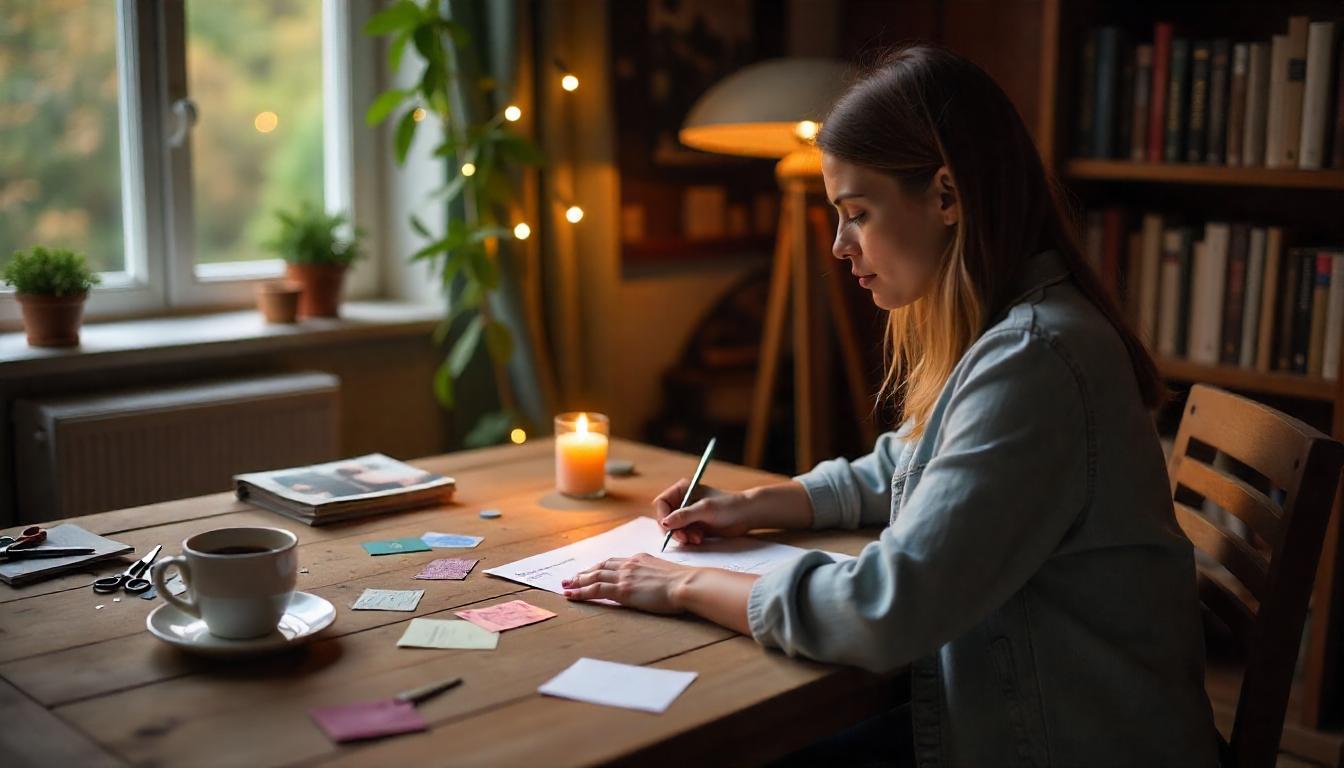
22. Capture the date with a shared memory: Write a short paragraph each in a small homemade journal and swap it; you’ll have a tangible keepsake of your connection.
23. End with a clear next-step plan: Propose a specific meetup, like a weather-permitting quick walk next weekend, and smile as you part.
Paint your Partner at Pinot Picasso
Book a morning Pinot Picasso session and pick a theme that honors your shared story. You're not here to win a painting; you're here to notice your partner's talent in action and to create a scenic keepsake you can hang.
Plus, gather items that spark memory: ticket stubs, a pressed flower, a note, or a small trinket. Include these things in the scene by painting small corner details; there is no pressure to cover everything.
Before you begin, the studio sets a comfortable stage: soft lighting, brushes laid out, and a palette that feels scenic. The instructor offers advanced tips on mixing tones, so you can build depth without stress. If there is a props truck in the studio corridor, it holds extra textures you may want to hint at in a background. You can also choose colors inspired by the local market.
During the session, swap trivia questions to keep conversation lively; read your partner's cues, and adjust your brushwork to reflect their mood.
Let joy guide you: if you feel stuck, switch to a playful palette and bounce back like a trampoline–light, energetic, and positive.
After the painting, there is a moment to seal your work with a signature, adding a personal touch that feels significant. Consider pairing the finished piece with a bottle of wine for a small celebration.
Unforgettable memories come from small details, from the way you choose colors to the rhythm of your conversation. You're building more than a painting–you're building a shared sense of achievement that will be covered in photos and stories.
| Stage | Action | Items / Notes |
|---|---|---|
| Prep | Choose theme, assemble items from your memory | items, trivia ideas, morning plan |
| Setup | Arrive early, organize palette, verify lighting | brushes, canvas, bottle, playlist |
| Create | Paint partner, add background details | scenic motif, colors, talent |
| Reflect | Share trivia, read cues, adjust as needed | notes, questions, moment |
| Close | Sign, celebrate, capture memory | bottle, photo, unforgettable moment |
Set up the date: booking, timing, and what to bring
Reserve a 6:45 pm slot for a 2-hour window at a venue with parking, and lock in a backup option on the same day in case plans shift. A clear start keeps the night smooth and gives everyone a sense of momentum that fits their plans, thats a simple rule to follow.
When you pick the location, look for options that fit both your tastes around the city. For a lively vibe, consider a venue with darts, a drive-in movie, a small concert, or an ice rink nearby. If you prefer downtime, plan a stroll through a garden and then a bite near a shopping district, so there are aisles and light crowds. If you’re in chicago, map the route so you hit a park for air between activities. You can also book a quick class or workshop that lets you learn a new skill together, which gives you a natural way to connect.
Timing tips: aim for a plan that starts around the early evening and leaves space to shift to a nearby cafe or dessert spot next. Check the days with the venue for any special events, and choose a time that suits both of you. Build in a 15-minute buffer for transit or crowding, and keep a loose rule: if one of you feels like stopping at a shop, you can do it without breaking the flow.
What to bring: a lightweight jacket, a charged phone and power bank, a small personal kit (tissues, hand sanitizer, band-aids), money or card for quick purchases, and a plan for the next stop. If you plan games, bring a subset of cards or a small torch for a cozy vibe. Bringing a soft blanket for park or garden moments can help create a bond that lasts long after the stars fade, and its presence makes the night feel significant to both lovers.
Include a couple of unusual options in your plan to keep the vibe fresh, like a drive-in night or a quick visit to a house of shopping. That little twist can turn a routine date into a winner, and it gives lovers a chance to bond around shared stories under the stars.
Create a mood that sparks closeness: lighting, playlist, and comfort
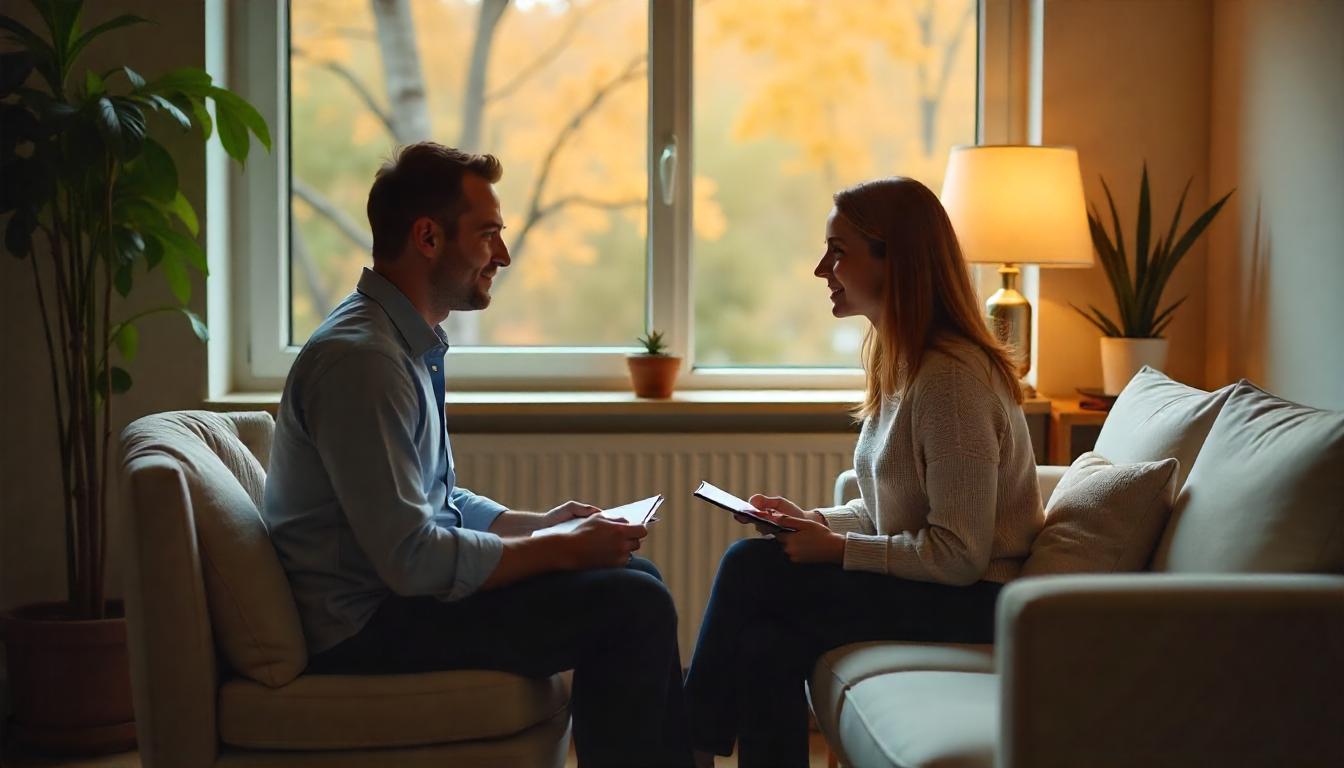
Set warm lighting, a cozy seating area, and a mini playlist to spark closeness. Dim overhead lights to about 40-60%, add two lamps with 2700K bulbs, and string lights overhead. Place 1-2 soy candles on the coffee table. Under this glow, conversations feel natural and eyes meet more often.
Add nature-inspired touches: a small plant within reach, a soft throw, and a bottle of water or sparkling beverage. Stock a few snacks from nearby stores for a quick bite without breaking the flow. Create a quiet corner by closing doors to other rooms and facing a scenic view if possible.
Build a mini playlist of 12 tracks with warm tempos: acoustic guitar, piano, and gentle vocals. Keep the volume low enough to hear laughs and stories. Include one upbeat track to lift energy and a tender ballad for closeness. If you want a light activity, propose a photo moment with a goofy prop or a mini photo booth frame to capture the vibe.
Comfort matters: use a plush blanket, soft cushions, and a low coffee table that both partners can reach. Arrange seating so you sit at a comfortable height, and add extras like a second pillow on the chair or sofa. The goal is to create a place where you feel seen and at ease.
Activities to deepen connection: after the playlist, try a quick photo corner, recall shared memories, or plan a mini future like kayaking or rock-climbing trips. Keep this phase light and playful–lovers should feel encouraged to laugh together and stay present.
Adapt to your place: in Chicago apartments, position the setup near a window so the skyline colors the room; in a cabin or beach house, pull the seating toward a view of nature. Within this frame, the ambience becomes an element that supports everything you share, from quiet talks to goofy moments and meaningful touch.
Guide the painting with prompts that invite vulnerability and play
Start with a five-minute two-prompt drill: one vulnerability prompt and one playful prompt. This two-step flow keeps you open and the vibe light, while building a vivid, shared image of where you want to move together.
-
Two prompts, one aim
- Vulnerability prompt: "Describe a little fear you have about dating and a dream you want to realize with this person. Which detail from today could help us move forward?"
- Playful prompt: "Design a tiny game you want to try together. It could be a favourite park memory retold as a scene, or a homemade mission you take on during a walk. You're playing, so keep it light."
-
Translate prompts into a painted moment
- Take turns answering, then summarize back in one sentence. This check shows you heard each other and helps keep the momentum going.
- Keep the pace natural: breathe, listen, then add a small, concrete detail that broadens the image you’re creating together.
-
Turn talk into action
- Agree on 1 extra action to move the relationship forward in the next 48 hours. Examples: meet at the park for a short walk, spend time cooking a favourite homemade dish, or plan a quick road trip to a local spot by a truck stop for a snack.
- Set a simple reminder and check-in: spending a few minutes after the date to share what felt most honest helps deepen trust.
-
Keep the open, free vibe
- Use prompts that surface both sides’ nature and preferences. For example, ask about a dont fear, or a tiny dream you want to chase together, and respond with curiosity rather than judgment. This approach strengthens the connection and keeps you exploring together.
These ideas work in many dating contexts, with different personalities. The goal is to move from small talk to genuine connection by inviting honesty, play, and shared discovery–without pressure.
Capture the moment: photos, captions, and a keepsake from the session
Start with a simple, great plan: select 5-7 photo moments that capture the things you both value, snap quick shots during the date, and write short captions right after. This approach stays budget-friendly and keeps the energy alive.
During the session, aim for variety: a walking shot while chatting, a looking-at-each-other moment, and one action shot at a mini-golf course. If you try a playful activity like axe-throwing or pottery, you’ll get dynamic frames. Museums, a covered arcade, or a famous mural during a morning stroll are classic backdrops that keep the mood light and happening. Pick a place that reflects your shared skill, and if a moment feels lost or the angle is wrong, switch to another scene. Under low light or a busy course, use a quick burst of shots to grab 3-5 frames in a row.
Captions should be short, honest, and spark chat. Pair a one-liner with a tiny detail from the moment: “That mini-golf win was clean,” or “Trying pottery and laughing at the wobble.” End with a question to invite a live chat later. Keep a consistent tone across all pics so the set reads as a cohesive story.
Keepsake ideas that stay under budget-friendly limits and simple: a 4x6 photo print set in a tiny accordion booklet, a 5x7 framed print for a shared wall, or a magnet set for daily reminders. If you want something creative, pick a picasso-inspired doodle added to one shot. A small online gallery works for sharing, while a morning plan ensures you never miss the moment.
Timing and delivery: aim to finalize within 24-48 hours. Use a local or online print service to keep costs low and avoid shipping delays. For a quick nudge, send a link to the photo gallery with captions and a single keepsake image. This keeps the momentum going, and a short note to say thanks can accompany the package or card.
Extend the experience: follow-up activities to reinforce the connection
Plan a 60-minute follow-up: propose two activities that blend light movement with conversation. Start with mini-golf at a nearby course and then stroll to a bookstore for a quick pick and chat over coffee. This flow keeps energy up and shows you care about shared moments.
- Outdoor duo: play mini-golf, then walk around a park or nature trail. If the sky clears, end with stargazing for a relaxed, low-pressure close.
- Creative pairing: baking together at home or in a small kitchen class, followed by an easy outdoor workout or a skill share like a simple knot-tying or plant-care tip. Each step gives you content to talk through and smile about.
- Bookstore and cafe combo: visit a bookstore, pick a short title for discussion, then sit in a nearby cafe to swap thoughts. Youre hands-on with the choice, and there’s a natural rhythm to the conversation.
- Local events and small groups: check a nearby events list for a beginner-friendly class or group activity. Join together to meet new people while keeping the focus on your connection and what you enjoy together.
- Train-to-places plan: hop a short train to a near town, explore two places around the station area, then share quick reflections on your favorite moments during the ride back.
After you finish, nudge the momentum with a brief follow-up:
- Send a morning note listing two moments that stood out and suggest two ideas for your next meet-up.
- Share a short content item, like a favorite photo from the day or a quick playlist inspired by your activities.
- Offer a next-step option that fits both schedules, such as another outdoor activity, a visit to a bookstore nearby, or a casual baking session at your place.
Keep the vibe light and inclusive: invite a small group if you both enjoy that, or keep it private to deepen the bond. Consider places near your area to minimize travel time, and choose events that align with your shared interests so you can grow closer while having fun together.